Who We Are and Why Tribal Art Deserves Serious Attention
We hear it often: 'Isn't tribal art just decorative?' That question is worth
answering directly. Ethnographic and tribal objects carry documented provenance, cultural
rarity, and a holding history that many conventional asset classes simply cannot replicate.
We built this platform to make that case clearly and honestly.
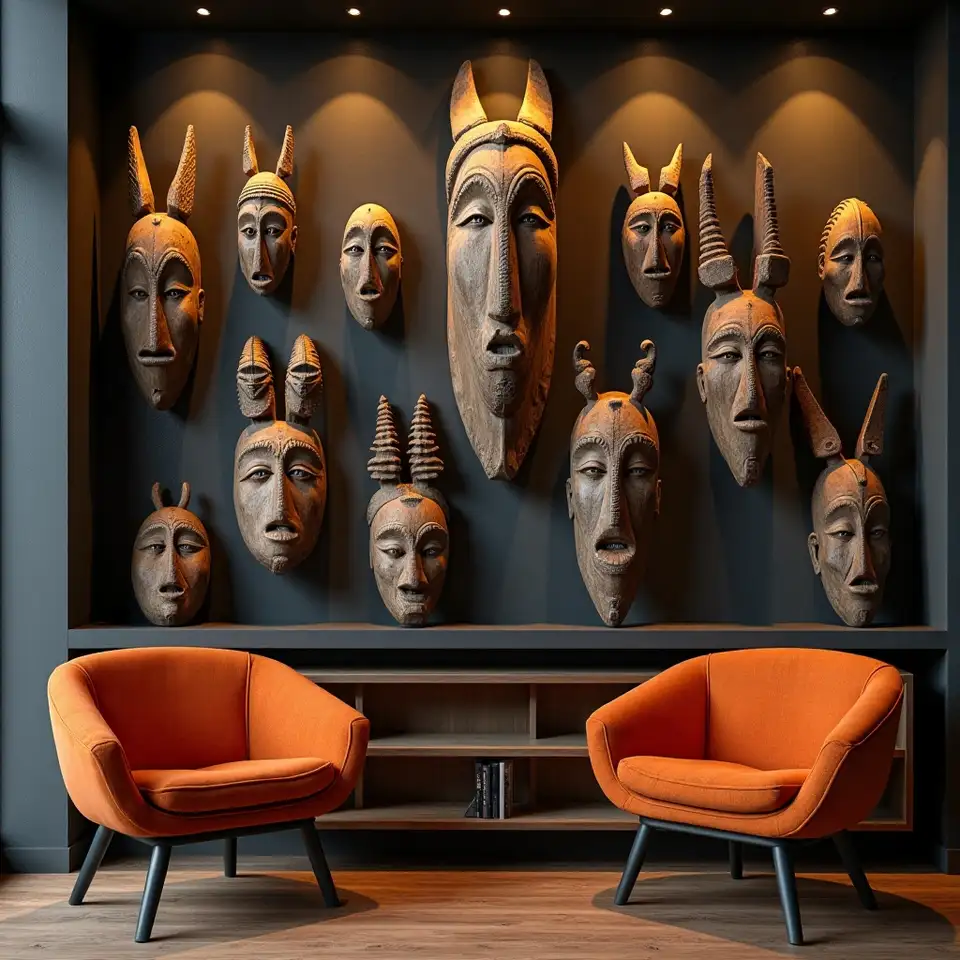
Rooted in Provenance Research
Every object we discuss has a paper trail — or we say so plainly when it does not. Provenance is not a bonus feature in this space; it is the foundation of any serious valuation conversation. Our team traces collection histories, cross-references auction records, and flags gaps before they become costly surprises for collectors.
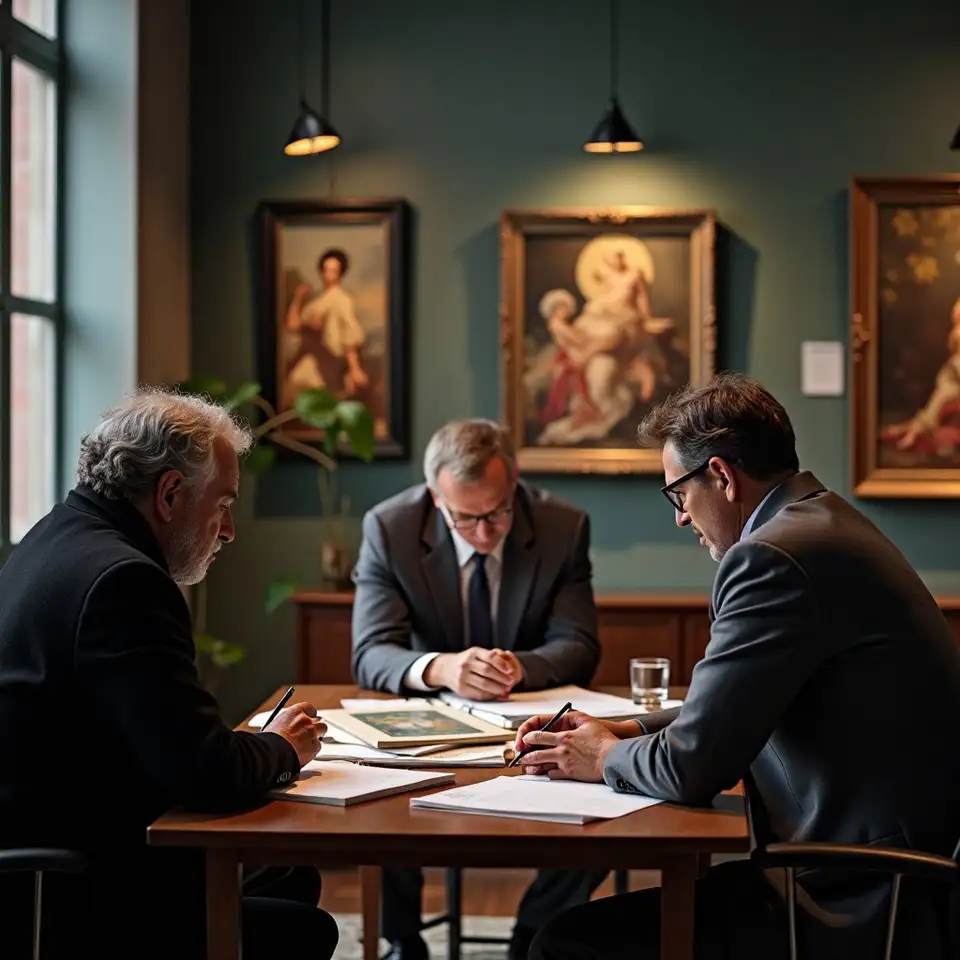
Honest About Trade-offs
Tribal art is illiquid. Storage and conservation have real costs. Authenticity disputes are not rare. We do not gloss over these realities. Instead, we map them out so that collectors can weigh holding considerations with accurate information rather than wishful thinking. That is what a blunt adviser does.
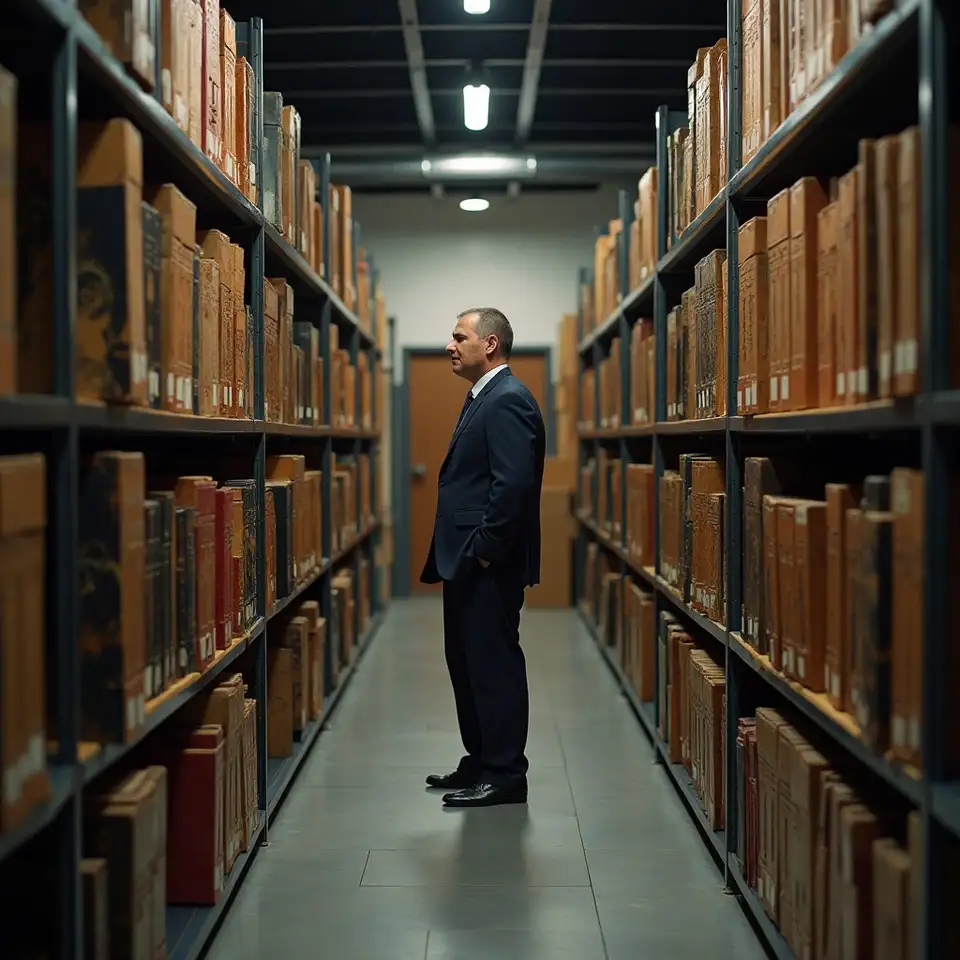
Built for Long-Term Holders
We focus on collectors who think in decades, not quarters. Our approach covers acquisition context, long-term holding considerations, and the qualitative factors that influence resale potential over time. Past performance in any collectibles market does not guarantee future results — and we will always remind you of that.
We Started With a Simple, Uncomfortable Observation About Tribal Art Markets
Most collectors enter this space with enthusiasm but without a reliable framework for
evaluating what they are actually buying or holding
The market for ethnographic and tribal art is opaque, unregulated, and full of conflicting expert opinion. We decided to do something about that.
We are a team of researchers, collection specialists, and market analysts with deep experience in ethnographic and tribal objects. Our backgrounds span auction house analysis, museum provenance research, and independent appraisal work across multiple collecting regions.
What unites us is a shared frustration with how this market is typically described: either romanticized by dealers or dismissed by conventional financial commentators. Neither framing helps a serious collector make sound decisions about acquisition, holding, or eventual disposition.
We built this platform to address that gap directly. Our approach is methodical: we examine documented collection histories, assess condition and conservation needs, review comparable auction results, and lay out the trade-offs in plain language that respects your intelligence and your time.
We are based in Canada and operate within applicable Canadian regulations governing the promotion of alternative collectible assets. Nothing we publish constitutes investment advice, and we are consistent about saying so throughout our work.
Our Approach to Tribal Art Analysis Is Methodical, Not Speculative
We apply a structured internal review process to every object category and market segment we cover on this platform
Here is what our analytical process actually looks like in practice, without the marketing language.
We begin with provenance documentation. If an object lacks a traceable collection history,
we say so immediately and explain what that means for a prospective holder. Gaps in
provenance are not automatic disqualifiers, but they carry real implications that deserve
direct discussion.
Next, we assess condition and conservation requirements. Tribal and ethnographic objects often have specific environmental and handling needs. We outline realistic storage and maintenance considerations so collectors can factor those costs into their long-term holding calculus.
We then review comparable market data from documented auction results and private sale records where available. We do not extrapolate aggressively from thin data sets. When the evidence is limited, we say the evidence is limited.
Finally, we consider the qualitative factors: cultural significance, regional collector interest, institutional acquisition patterns, and the current state of export and cultural property law as it applies to Canadian collectors. These shape long-term holding considerations in ways that raw price data cannot capture on its own.

We Say the Uncomfortable Things Plainly
Tribal art collecting involves real trade-offs
Most platforms in the alternative collectibles space focus on the upside story. We focus on the full picture. Tribal and ethnographic art can be a meaningful component of a long-term collection strategy, but it requires patience, specialist knowledge, and a tolerance for illiquidity that not every collector has. We have structured our work to help you figure out, honestly, whether this space fits your situation. That means discussing holding timelines in decades rather than months. It means acknowledging that authenticity disputes arise, that conservation costs are real, and that resale channels for ethnographic objects are narrower than those for contemporary art. It also means being direct about what we do not know, which is sometimes the most useful thing a specialist can say. We are not here to sell you on tribal art as an asset class. We are here to help you understand it well enough to make your own considered decisions. Past performance in any collectibles market does not guarantee future results, and we will never let you forget that.

Six Principles That Shape Everything We Publish and Discuss
The Team Behind This Platform Has Specific and Verifiable Backgrounds
We are not generalist financial commentators who discovered tribal art last year — our
experience in this specific market informs every analytical decision we make
A brief, honest description of who is actually doing this work and why their backgrounds
matter.
What We Actually Cover on This Platform Every Day
People sometimes ask us to summarize what we do in one sentence. Here is a more honest
answer in a few more words: we research, document, and discuss the provenance, valuation
context, and long-term holding considerations for ethnographic and tribal art objects,
specifically for collectors operating within the Canadian regulatory environment.
- Auction and Market Data Context
- We review documented auction results and private sale records, placing individual lot outcomes in context and avoiding the common mistake of over-extrapolating from limited or unrepresentative data points.
- We discuss the qualitative and quantitative factors that shape how ethnographic objects fare over extended holding periods, including shifts in institutional collecting patterns and regional collector demand.
Provenance Documentation Reviews
We examine and explain collection histories for specific object categories, identifying what is well-documented, what is contested, and what the gaps mean for a prospective long-term holder.
Condition and Conservation Analysis
We assess the realistic storage and maintenance requirements for different object
types, including environmental conditions, handling protocols, and the costs
associated with professional conservation work.
Cultural Property Law Summaries
We track Canadian and international regulations affecting the acquisition, import, export, and holding of ethnographic objects, translating legal developments into plain language relevant to collectors.
Long-Term Holding Considerations
The Principles That Govern Our Research and Analysis
Our Mission in Plain Language
We exist to give collectors of ethnographic and tribal art access to rigorous, honest analysis that covers provenance, valuation context, conservation realities, and the legal framework affecting Canadian holders. We do not sell objects. We do not manage collections. We research, analyze, and communicate what we find — including the uncomfortable parts.
Where We Are Headed
We want to become the most credible reference point for Canadian collectors navigating the ethnographic and tribal art market — known specifically for the quality of our provenance research and the consistency of our disclaimers. Trust, in this market, is earned slowly and lost quickly.
Rigorous Provenance Research Always
We treat documentation as the starting point of every analysis, not an afterthought. If the provenance is weak, we say so before we say anything else about value or holding potential.
Honest Trade-off Assessment Matters
Every object category carries specific costs and constraints. We lay those out plainly so collectors can weigh them against the potential long-term benefits of holding ethnographic art.
Legal Context for Canadian Collectors
Cultural property law is not optional reading. We integrate Canadian and international regulatory considerations into our analysis as a core component, not a disclaimer buried at the bottom.
Consistent Disclaimer Application
Past performance does not guarantee future results. We apply this principle throughout our published work, not just in footnotes, because we believe collectors deserve the reminder in context.