What Collectors Often Get Wrong
Start Here
What every Canadian collector should understand before acquiring ethnographic art objects
Understanding the Tribal Art Market
The ethnographic art market operates under conditions that distinguish it sharply from more familiar collectible categories — and those differences matter enormously for anyone thinking about long-term holding
Ethnographic and tribal art objects change hands through specialist auction houses, private dealers, and direct collector transactions. There is no centralized price registry, no standardized disclosure framework, and no liquid secondary market comparable to those serving more familiar asset categories. Authentication disputes arise even for well-documented objects. Conservation requirements vary considerably by material and region of origin. Cultural property law has become an increasingly significant variable for Canadian collectors, affecting both acquisition and eventual disposition. These are not edge cases — they are routine features of this market that a serious collector must understand before making any long-term holding decision. We cover each of these dimensions in the sections below, drawing on documented auction records, published legal developments, and specialist research rather than promotional material or anecdotal evidence.
Provenance Is Structural
A tribal art object without a documentable collection history carries risks that no amount of aesthetic merit can offset — authentication disputes, repatriation claims, and restricted resale channels are all more likely when the paper trail is thin.
Illiquidity Is the Default
There is no liquid market for most ethnographic objects. Realistic exit timelines are measured in years rather than months, and the pool of qualified specialist buyers for any given object category is narrow by definition.
Conservation Costs Are Real
Storage conditions, handling protocols, and periodic conservation work represent ongoing costs that collectors frequently underestimate when assessing the total cost of holding an ethnographic or tribal art object over time.
Law Changes the Calculus
Canadian and international cultural property regulations have tightened over recent decades. Objects that were freely tradeable in earlier markets may now be subject to restrictions that affect both acquisition and the eventual ability to resell.
Provenance Research: What the Evidence Actually Tells You and Where It Stops
Provenance is the documented history of an object's ownership and movement over time. In the tribal and ethnographic art market, it is not a supplementary disclosure — it is the foundation of any credible valuation conversation.
Conservation and Storage: The Ongoing Costs That Collectors Consistently Underestimate
The physical requirements for maintaining ethnographic and tribal art objects in stable condition represent a real and recurring cost that needs to be factored into any honest long-term holding analysis from the outset
Tribal and ethnographic objects are made from a wide range of organic and inorganic materials — wood, fibre, hide, bone, pigment, metal, and composite materials that interact differently with their storage environment. Each material category carries specific requirements for temperature, relative humidity, light exposure, and handling protocols. A storage approach that is adequate for one object type may be actively harmful to another.
Long-term storage in controlled conditions represents an ongoing cost that compounds over the holding period. Collectors who assess the net economics of holding ethnographic art over decades need to factor in cumulative conservation, storage, and insurance costs alongside any anticipated change in object value. We encourage that kind of full-cost analysis and apply it consistently in our own published research.
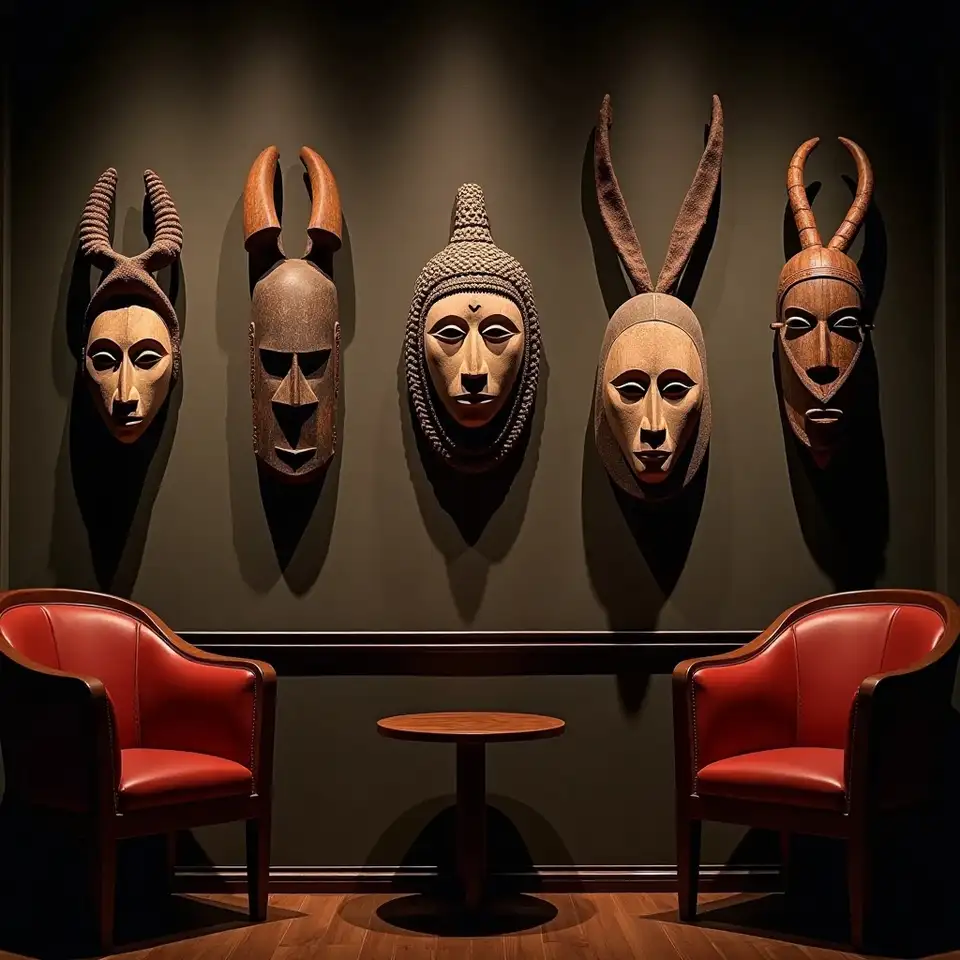
Object Categories We Research and Discuss

Past Performance and Disclosure
Nothing published on noariteifiotbuzy.sbs constitutes investment advice, a recommendation to acquire any specific object, or a projection of future market conditions for tribal or ethnographic art. The analysis we publish is provided for informational purposes only and does not take into account the individual circumstances of any collector or reader.
Key Analytical Questions Every Collector Should Be Able to Answer
What Does the Provenance Record Actually Show?
Can you identify every ownership transfer in the object's documented history, and do you understand what the gaps in that record mean for authentication risk, repatriation exposure, and resale channel access? If you cannot answer this question specifically, provenance research is incomplete and further work is needed before any acquisition decision is made.
What Are the Conservation Requirements?
What Does Canadian Law Require?
Have you confirmed that the acquisition, import, and holding of this object is compliant with current Canadian cultural property legislation and any applicable international frameworks? Regulatory non-compliance discovered after acquisition is significantly more costly to address than regulatory review conducted before it.
What Are the Realistic Holding Costs?
Have you calculated the cumulative cost of conservation, storage, insurance, and periodic authentication review over a realistic holding horizon of ten years or more? Collectors who assess only acquisition cost and ignore recurring holding costs are working from an incomplete picture of what long-term ownership actually involves.